

What is North Central Phoenix?
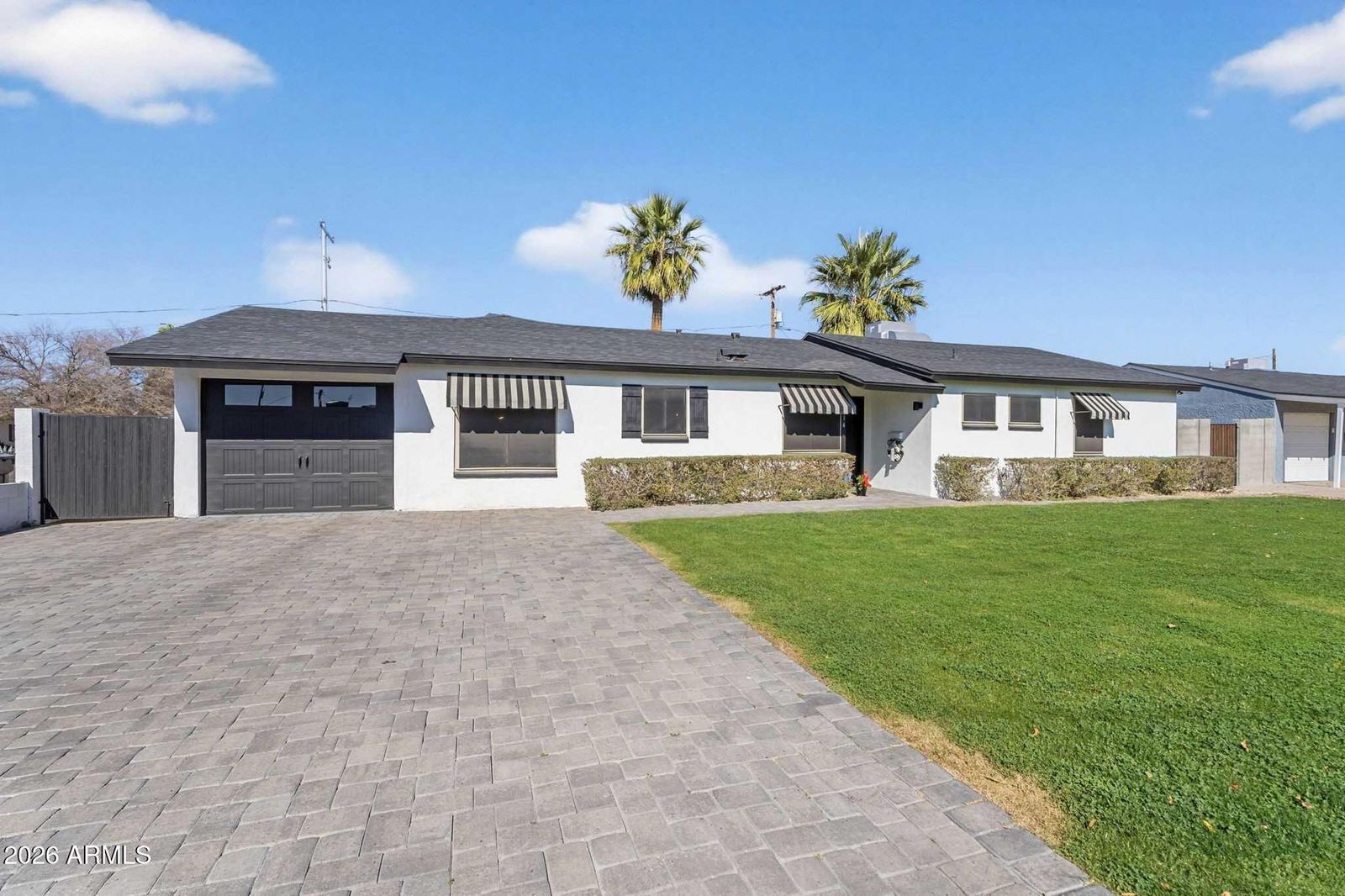
North Central Phoenix is the historic core north of Downtown along the Central Avenue corridor, generally between Camelback Road and Northern Avenue, and is home to Phoenix's largest concentration of architecturally significant period homes.
The area sits inside ZIP codes 85012, 85013, 85014, and 85020. It is the part of the city most associated with restored 1920s to 1950s architecture, including Spanish Colonial Revival, Tudor Revival, ranch, and mid-century modern. The Murphy Bridle Path along Central Avenue, the Phoenix Country Club, and the Madison Elementary School District define the day-to-day rhythm of the area.
How much do homes cost in North Central Phoenix?
Restored single-family homes in North Central Phoenix typically sell between $700,000 and $3 million, with trophy properties on larger lots inside the Madison ESD crossing $5 million.
The pricing logic is driven primarily by school zoning, lot size, and degree of historical preservation. A fully restored 1930s Spanish Colonial on a half-acre Madison-zoned lot will routinely outsell a larger but unrenovated home a few blocks away. The Madison Heights, Madison Number One, and Madison Meadows attendance areas command the strongest premiums.
Which Phoenix neighborhoods are inside this area?
- North Central Corridor, the broad area along Central Avenue with established estates and Murphy Bridle Path frontage.
- Madison neighborhoods (Madison Heights, Madison Manor, Madison Park) clustered around the Madison ESD schools.
- Windsor Square and Pierson Place, smaller historic enclaves between Central and 7th Street.
- Encanto-Palmcroft, the city's first master-planned neighborhood, on the National Register of Historic Places.
- F.Q. Story, Coronado, and Willo, established historic districts closer to Downtown.
- Sunnyslope and North Mountain, just north of the area, with newer construction at lower price points.
What architectural styles define North Central Phoenix?
North Central Phoenix holds the city's strongest historic architectural inventory. Spanish Colonial Revival, Pueblo Revival, Tudor Revival, English Country, and the ranch styles of the 1940s and 1950s all appear in original or restored form. The area also has notable mid-century modern stock from Ralph Haver, Al Beadle, and Blaine Drake, particularly in pockets near the Phoenix Country Club. Newer construction in the area tends to be contextually sensitive, often a transitional or Spanish-inspired language rather than ground-up contemporary.
What schools serve North Central Phoenix?
The Madison Elementary School District is the defining public school district for most of the area, with Madison Number One, Madison Heights, Madison Meadows, and Madison Traditional consistently among the higher-performing public elementaries in the metro. High school assignment is through Phoenix Union High School District. The area is also a primary feeder zone for the Brophy College Preparatory and Xavier College Preparatory campuses, both within the corridor.
What makes North Central Phoenix different from Arcadia or Biltmore?
Architecture and density. Arcadia is a post-war ranch neighborhood with irrigated lots. The Biltmore is a master-planned area built around a resort. North Central is the city's historic core, with smaller lots in some pockets, larger estate lots in others, and a much wider range of architectural periods represented in original condition. It also has Phoenix's only true bridle path running along Central Avenue, with horse-friendly easements still in use.
Is North Central Phoenix a good investment market?
It is one of the more durable single-family markets in metro Phoenix, in part because the historic district designations and Madison ESD limit how much the area can change. Restoration plays often outperform new construction on resale because the market values authenticity inside the historic pockets. The risk is over-improving for the lot or block, which a knowledgeable local agent can help you avoid.