Torn between a leafy historic street and a sleek new build in North‑Central Phoenix? You are not alone. In 85003, the choice often comes down to character and lot size versus modern systems and low‑maintenance living. This guide gives you a clear, local look at both paths so you can buy with confidence. You will see what to expect on lot sizes, energy costs, renovation scope, and the rules that govern historic districts. Let’s dive in.
85003 at a glance
The 85003 ZIP includes North‑Central neighborhoods with several locally designated historic districts, including Willo and Encanto‑Palmcroft, listed on the Phoenix Historic Property Register. These areas feature 1920s–1940s bungalows, Spanish‑revival homes, mid‑century ranches, and a few modern pockets. If you plan exterior changes in a historic overlay, the City’s Historic Preservation Office (HPO) reviews visible work. You can learn the basics in the City’s Historic Preservation FAQ.
As a price reference, the Zillow Home Value Index for 85003 was roughly 586,000 dollars as of Feb 28, 2026. Historic pockets can command premiums, and listing prices vary by street and finish level. Always verify current asking prices and sold comps through the most recent MLS feed before you decide on value.
For taxes, Maricopa County publishes ZIP‑level assessed values. These are helpful for understanding tax basis but usually lag market prices. You can review the County’s latest ZIP report in the Maricopa County Assessor data.
Historic homes: charm and trade‑offs
Lot size and outdoor living
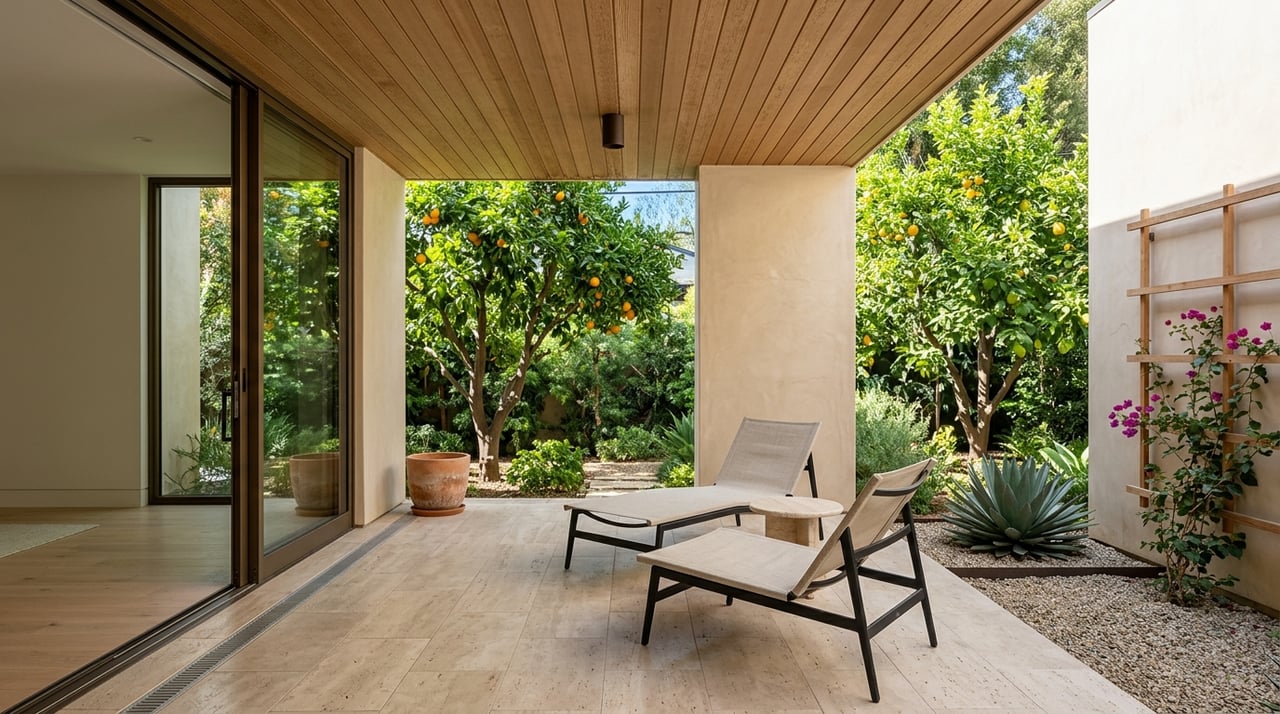
In Willo and Encanto‑Palmcroft, older homes typically sit on deeper lots compared with many newer infill builds. You will often see lots in the 6,000 to 8,000 square foot range, and there are larger examples, too. Mature trees and front‑to‑back setbacks add privacy and natural shade, which can make outdoor spaces more comfortable in summer.
Architecture and feel
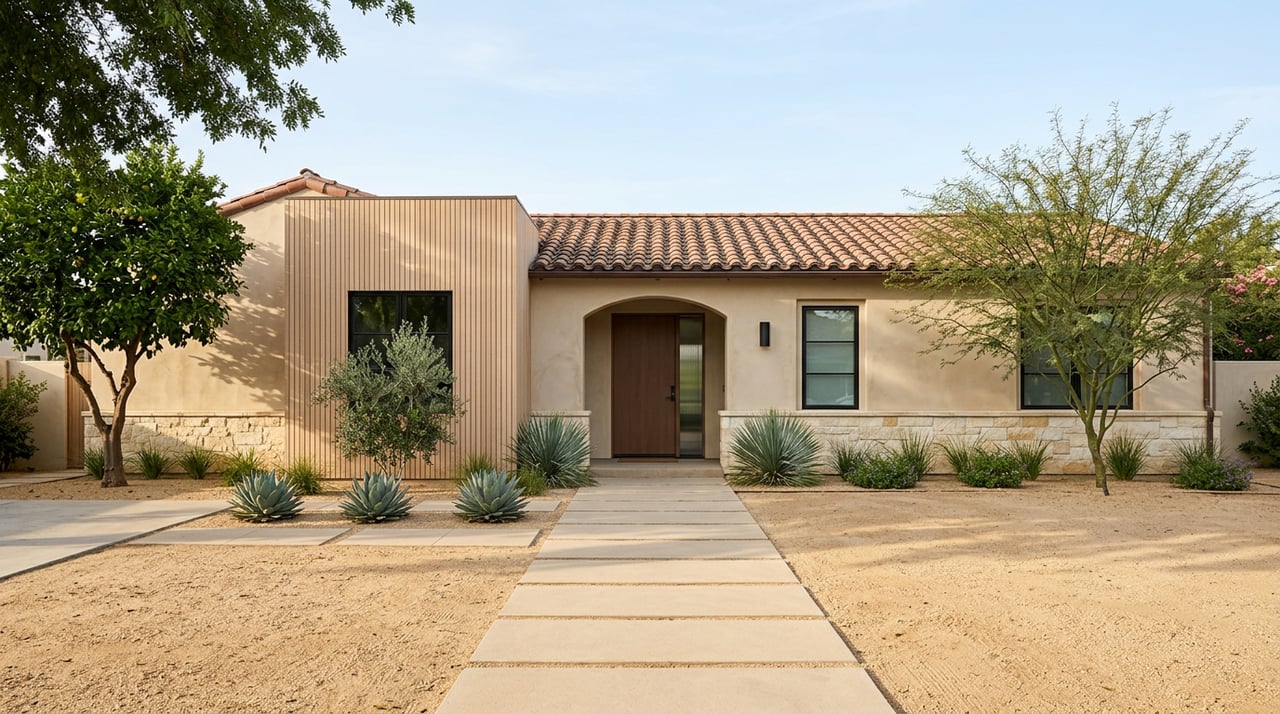
Classic ranch and pre‑war homes tend to be single story with low profiles, covered patios, and period details like original brick, plaster, and trim. Many streets have a cohesive, tree‑lined look that creates strong curb appeal. For a sense of the City’s historic character and preservation approach, see Phoenix’s historic neighborhood materials.
Systems and expected upgrades
Older houses were built before modern insulation and high‑efficiency HVAC were standard. Even well‑maintained properties may need window, insulation, or HVAC upgrades over time. Plan for roof age verification, electrical capacity checks, plumbing evaluations, and window performance review during due diligence. A credentialed inspector can guide scope; InterNACHI provides a practical home inspection checklist.
Energy performance and incentives
Newer homes typically deliver lower energy bills out of the gate thanks to tighter building envelopes and modern mechanicals. That said, thoughtful retrofits can help older homes perform closer to modern standards. Consider a high‑efficiency heat pump, duct sealing, attic insulation, shade screens, cool roofing, and double‑pane low‑SHGC windows. Salt River Project offers rebates for qualifying HVAC and other efficiency measures; confirm current terms on the SRP rebates page. Arizona Public Service also promotes energy‑saving programs, so verify availability directly on the utility’s site when budgeting.
Renovation scope, risks, and ROI signals
If the home predates 1978 and you plan to remodel, lead‑based paint rules apply. The EPA outlines disclosures and safe‑work requirements in the Residential Lead‑Based Paint Hazard Reduction Act. Termites are common in Arizona; order a wood‑destroying organism inspection and review treatment history. The University of Arizona Cooperative Extension provides homeowner guidance in its termite overview.
On the numbers, selected midrange projects like a minor kitchen update often recoup a strong share at resale, while large additions tend to recoup less. Use the latest Cost vs. Value data as a directional benchmark and confirm with local bids and comps; see Remodeling Magazine’s 2025 overview via JLC’s Cost vs Value.
Newer construction: perks and compromises
Modern layouts and finishes
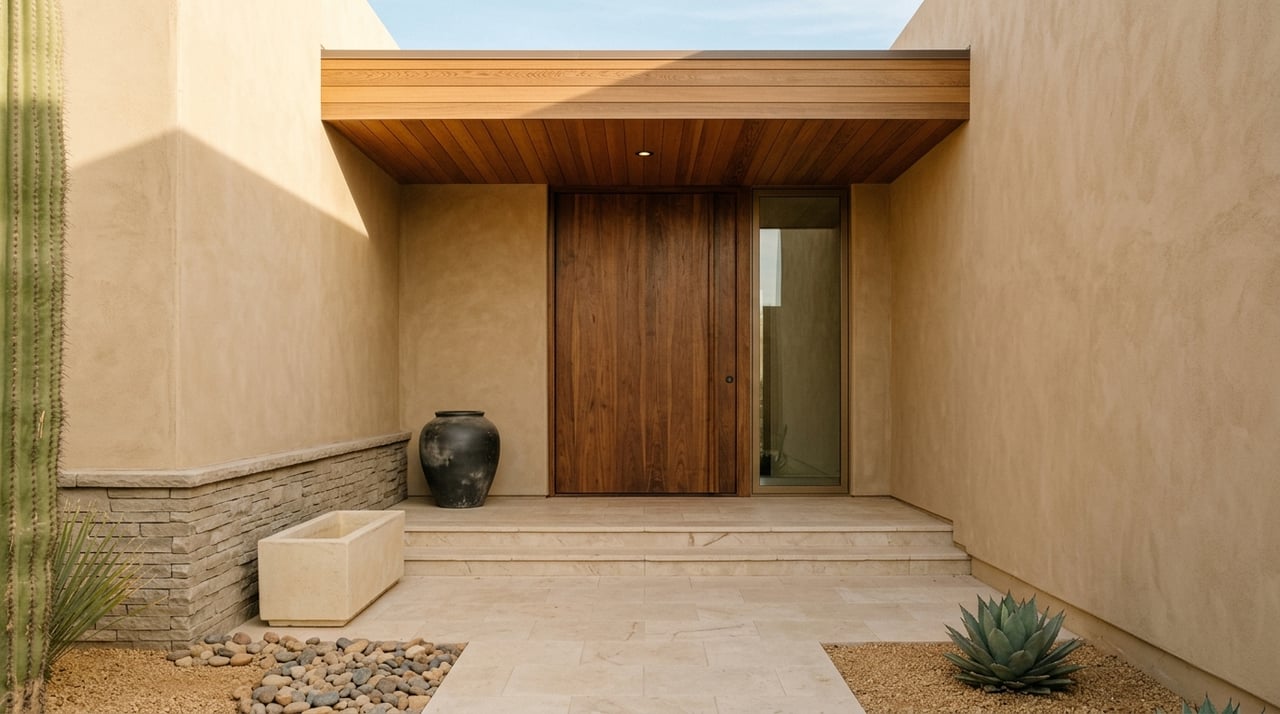
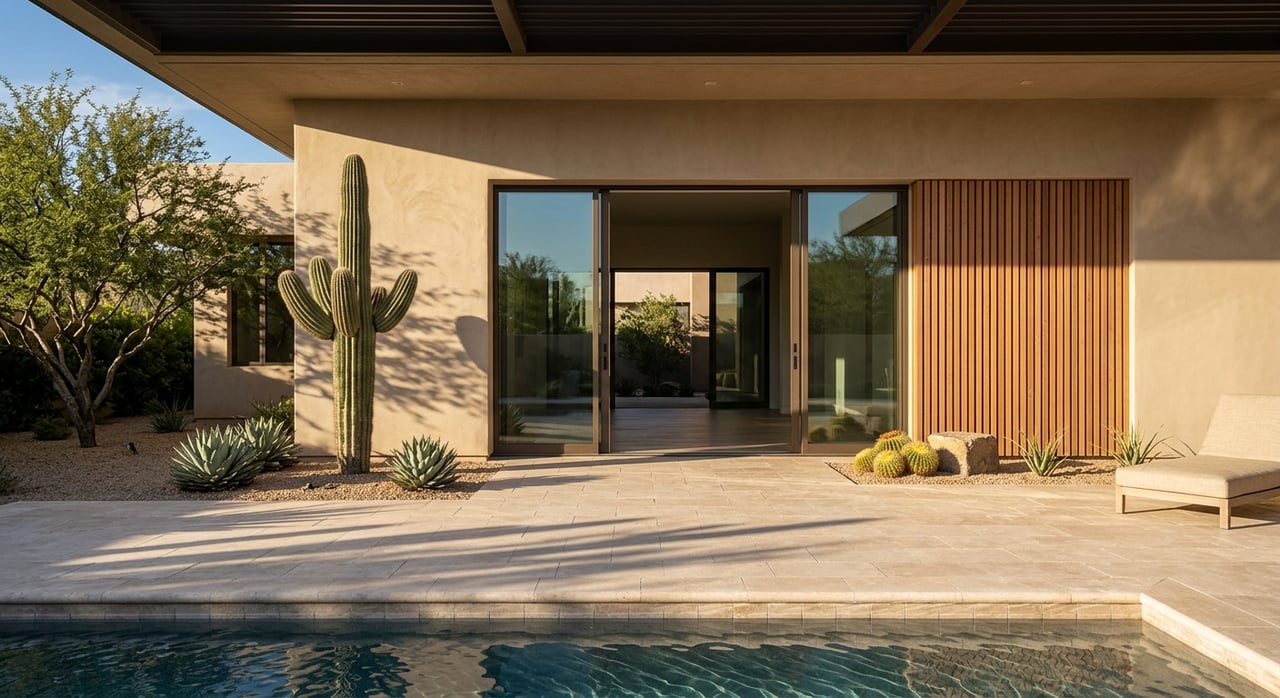
Many recent infill builds emphasize open‑concept living, high ceilings, large glass, and indoor‑outdoor flow. You will often see oversized kitchen islands, en suite bedrooms, and flexible spaces for office or fitness. Materials are typically contemporary, with engineered wood or tile floors, quartz or stone counters, and streamlined fixtures.
Efficiency and maintenance
A newer envelope and HVAC setup can mean lower immediate energy bills and fewer near‑term replacements. Warranties are a plus. The trade‑off is often a smaller lot and less mature canopy, which affects privacy and shade. If you value outdoor living, weigh the cost and time to establish new trees and landscape.
The rules that shape your options
Historic preservation review
Properties inside Phoenix historic districts are subject to exterior design review. Most publicly visible changes require either a Certificate of No Effect or a Certificate of Appropriateness. That can add steps and time to additions, window replacements, and facade work. Start with the City’s Historic Preservation FAQ and review the City’s Approvals and Guidelines to understand what is likely to be approved and how long it may take.
Middle‑housing background
Arizona’s recent “middle‑housing” law (often referenced as HB2721) may affect single‑family zoning within one mile of a designated central business district. Implementation details are evolving in Phoenix, and local neighborhood groups are active in the discussion. For context, the Arizona Preservation Foundation summarizes current concerns in its piece on preserving Phoenix’s historic neighborhoods in the era of middle housing. Always confirm the latest city response and parcel‑specific rules with the HPO before you plan a subdivision, addition, or tear‑down.
Quick comparison: historic vs modern
- Historic homes
- Pros: larger lots, mature shade, period details, strong curb presence, established streetscapes.
- Considerations: possible HVAC, insulation, window, roof and electrical upgrades; HPO review for visible exterior work; termite and lead testing on older stock.
- Newer construction
- Pros: modern layouts, newer systems, energy efficiency, lower near‑term maintenance.
- Considerations: smaller lots, fewer mature trees, different neighborhood fabric, potential HOA or design controls depending on the development.
Buyer due‑diligence checklist for 85003
Use this roadmap to avoid surprises and stay on schedule.
Confirm zoning and historic status. Check if the parcel sits in an HP or HP‑L overlay and whether it is a contributing property. Review the City’s Historic Preservation FAQ and the City’s Approvals and Guidelines for review triggers and timelines.
Order a full home inspection. Hire a credentialed inspector and attend the walkthrough. Consider add‑ons: termite/WDO, sewer scope, roof certification, HVAC contractor evaluation, electrical panel review, and a structural engineer if additions or foundation concerns are suspected. InterNACHI’s inspection checklist is a helpful scope reference.
Plan for hazardous‑materials compliance. For pre‑1978 homes or any remodel that disturbs paint, follow EPA lead disclosure rules and consider testing; learn more in the EPA’s lead paint guidance.
Verify permits on past work. Ask for finaled permits on additions or major remodels. Unpermitted work can affect insurance, resale, and future approvals.
Budget intelligently. Expect single‑system upgrades to run in the mid‑to‑high four or low five figures depending on scope and size. For ROI context on typical projects, consult 2025 Cost vs Value benchmarks and gather local bids.
Address pests and warranties. Request termite/WDO history and any active warranties or bonds. The University of Arizona’s termite guide explains treatment types and what to ask.
Explore energy rebates. If you plan HVAC or envelope upgrades, review the SRP rebates for qualifying equipment and deadlines. Also check your serving utility for current incentives before you finalize choices.
When to lean historic vs modern
Choose historic if you value mature shade, deeper lots, and period architecture and you are comfortable managing upgrades over time. You will likely invest in windows, insulation, HVAC, and selective restoration, but you gain a timeless streetscape and established outdoor setting.
Choose modern if you prefer a turnkey systems profile, open‑plan living, and lower near‑term maintenance. You may trade down on lot size and canopy, so account for landscape build‑out if outdoor living is a priority.
If you still find both appealing, target a renovated historic home that blends original character with updated systems, or a design‑forward infill on an oversized lot. Either path exists in 85003, but they sell quickly when well executed.
Ready to see options that fit your style, timeline, and budget? Begin with a curated conversation and a focused preview tour. To discuss your goals and next steps, connect with Heather Candelaria. Begin a discreet conversation.
FAQs
How do Phoenix historic overlays affect exterior changes in 85003?
- Homes in historic districts require City HPO review for most publicly visible exterior work; start with the City’s Historic Preservation FAQ and Approvals and Guidelines to plan timelines and submittals.
What inspections should I order for a 1940s home in Willo?
- In addition to a full home inspection, add termite/WDO, sewer scope, roof certification, HVAC evaluation, and targeted electrical/plumbing reviews; use InterNACHI’s checklist to guide scope.
Are energy rebates available for upgrading an older Phoenix home?
- Yes, local utilities offer changing incentives for high‑efficiency HVAC and other measures; review current programs on SRP’s rebates page and verify details with your serving utility before committing.
How does Arizona’s middle‑housing law impact historic neighborhoods?
- The law influences single‑family zoning near central business districts, but local implementation is evolving; coordinate with the City HPO early to confirm parcel‑specific rules and design review.
What are typical lot sizes for historic homes in 85003?
- In Willo and Encanto‑Palmcroft, many historic lots fall around 6,000 to 8,000 square feet, with some larger; verify each parcel’s dimensions through assessor records before you bid.
How should I think about price trends in 85003 right now?
- As of Feb 28, 2026, the Zillow Home Value Index was about 586,000 dollars, but street‑level values vary; rely on the latest MLS comps and property condition when determining offer strategy.